
Gluten-free meals used to be difficult to create. Pasta, bread, noodles, and pizza all use gluten to create deliciously starchy textures.
However, as food technology has progressed people with celiac disease have access to all the same good groups as the rest of society.
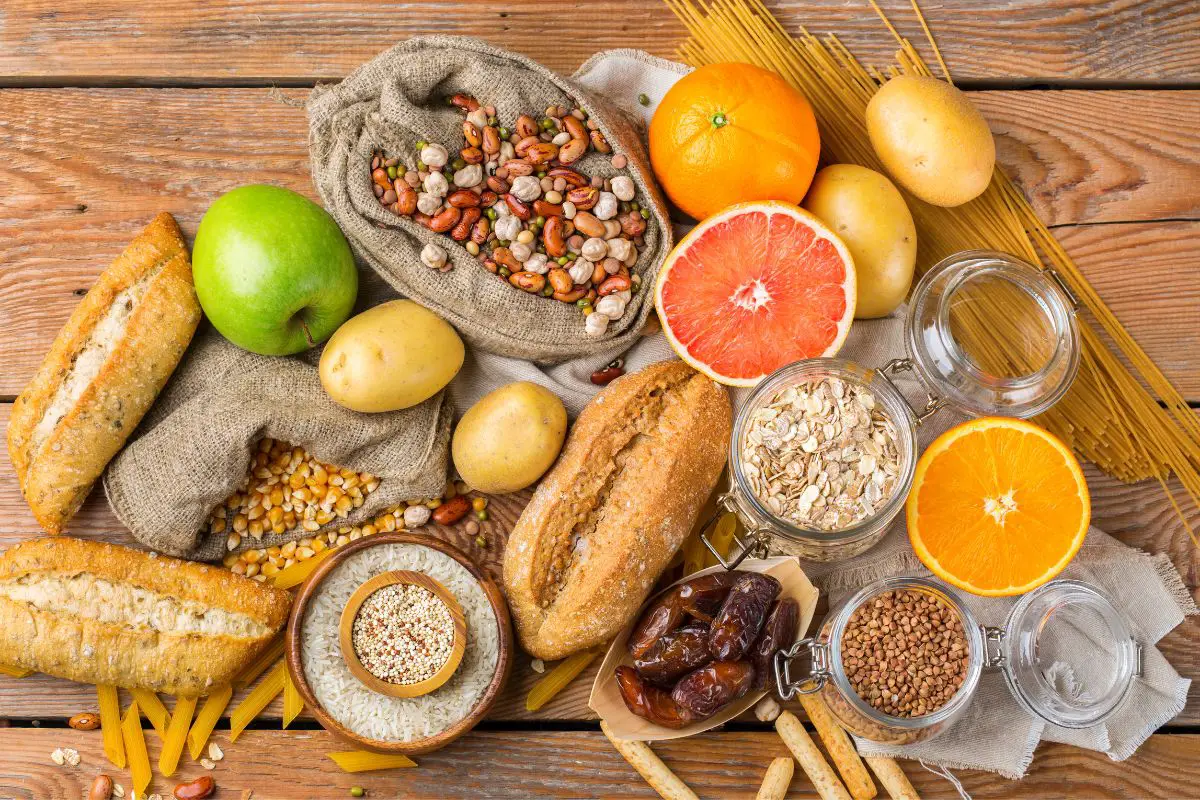
Today, we will help you find the perfect recipes for your gluten-free friends. We will even help you create a full menu with tons of variety, so every meal you make feels unique.
Before we get started, we want to say a warm welcome to the readers of Julesglutenfree.com. We have recently acquired the website, and cannot wait to expand our gluten-free content for you all.
Gluten-Free Breakfast Ideas
Breakfast can be a difficult meal for people following a gluten-free diet. Most cereals contain gluten and bread contains gluten, so the typical two options are automatically removed.
The next go-to is fruit, but eating a banana every morning can feel “samey” very quickly.
To stop the boredom from setting in you should swap between these breakfast ideas.
Waffles
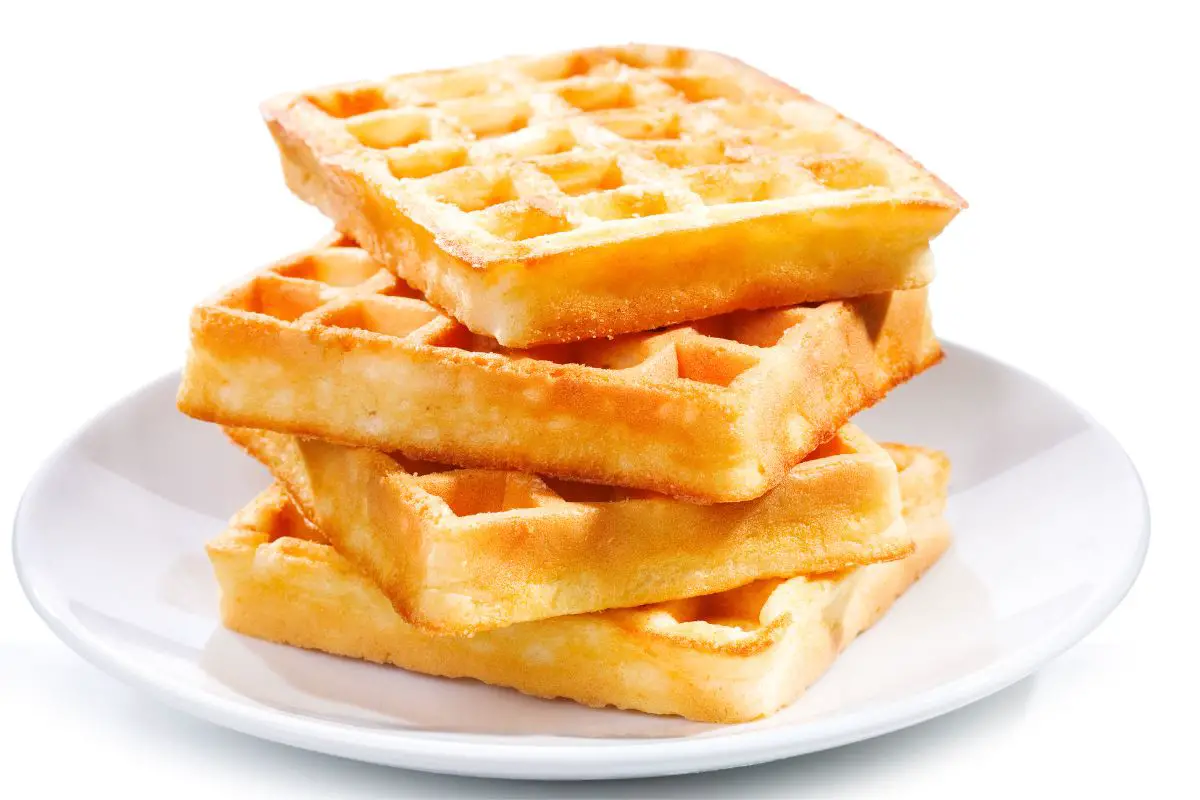
Normally waffles are a “no-go” for people with celiac disease.However, if you avoid buying pre-made brands and decide to make the waffles yourself, you will open your world to new possibilities.
Almond flour waffles are automatically gluten-free as they don’t contain wheat. Almond flour is created by crushing the nut into a fine powder.
It works just as well as wheat flour, however you can expect a nutty and almost sweet flavor.
You can find almond flour in most top-brand grocery stores, so don’t worry about searching for hours on dodgy looking websites. Everything you need is in reach.
The recipe for creating almond flour waffles is exactly the same as wheat flour waffles. However, some people prefer to add Xanthan Gum to the mixture in an attempt to thicken the batter.
We suggest going without the gum on your first try and seeing if the batter needs that extra hold.
Judge the consistency based on your own preferences and go from there.
Top your waffles with golden syrup, fruits or even chocolate if you’re feeling fancy.
Pancakes
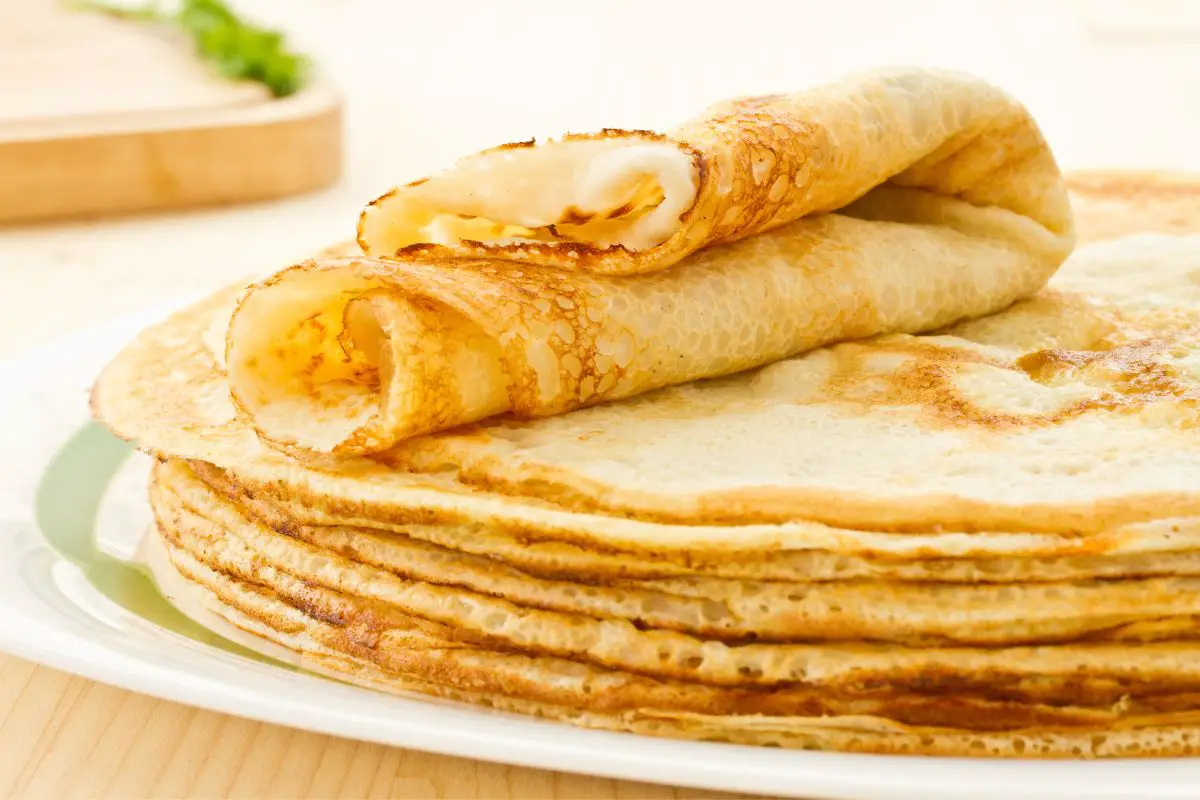
Just like waffles, the only thing holding you back from serving pancakes is the main ingredient – flour. As you now know, almond flour is a fantastic substitute.
When using wheat flour the biggest concern is over-whisking the gluten, when you create the batter. Get it wrong and you’ll make bread.
Swapping wheat flour with almond or oat flour will eliminate this worry, and help you create easier pancake batter mixes.
The gluten-free method isn’t just healthier for your guests, it’s also easier to create.
You can even do the same thing with crepes. Instead of using wheat flour, change to whey flour or even whey protein for a simpler and gluten-free alternative.
Pop Tarts
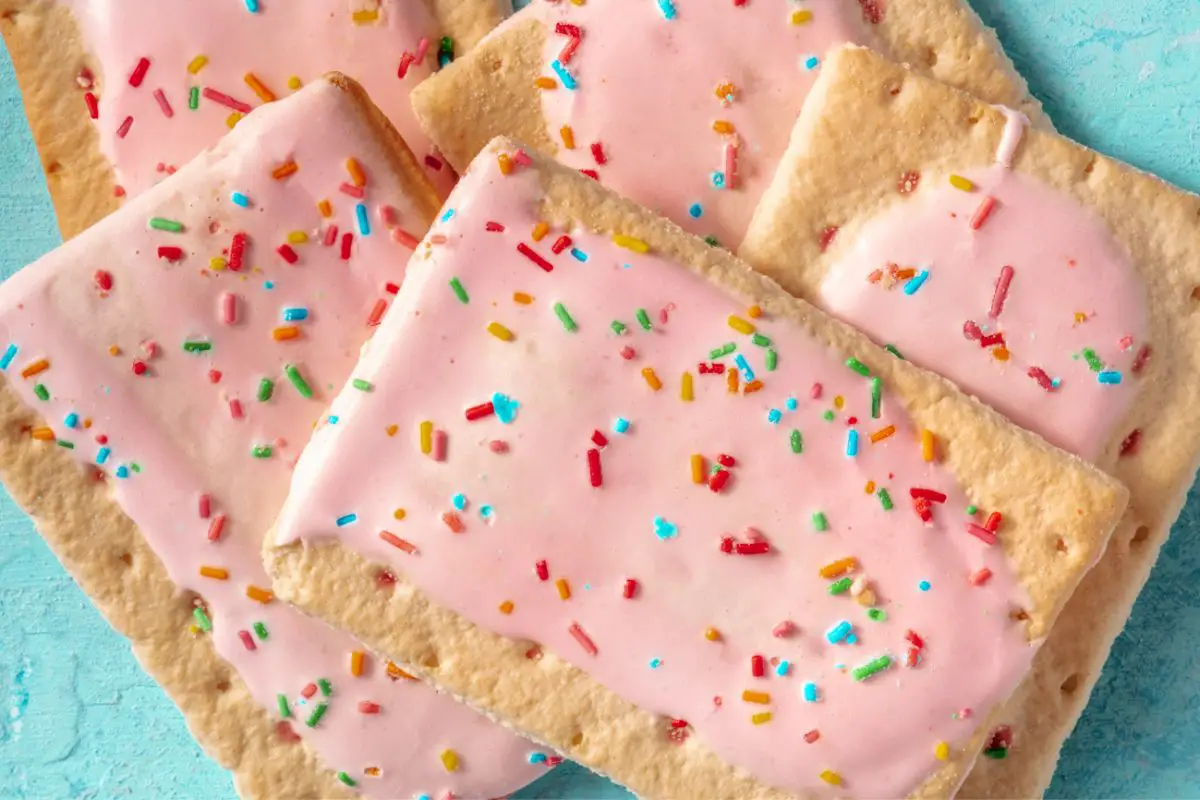
Most Pop-Tarts are not gluten-free, so we don’t recommend buying the branded version. However, that doesn’t mean these tasty treats can’t be added to your breakfast menu.
We have a recipe that allows you to re-create this family favorite. Simply swap out the all-purpose baking flour and opt for gluten-free flour instead.
Once you make one, you can experiment with flavors and create your own Pop-Tart designs!
Classic Toast
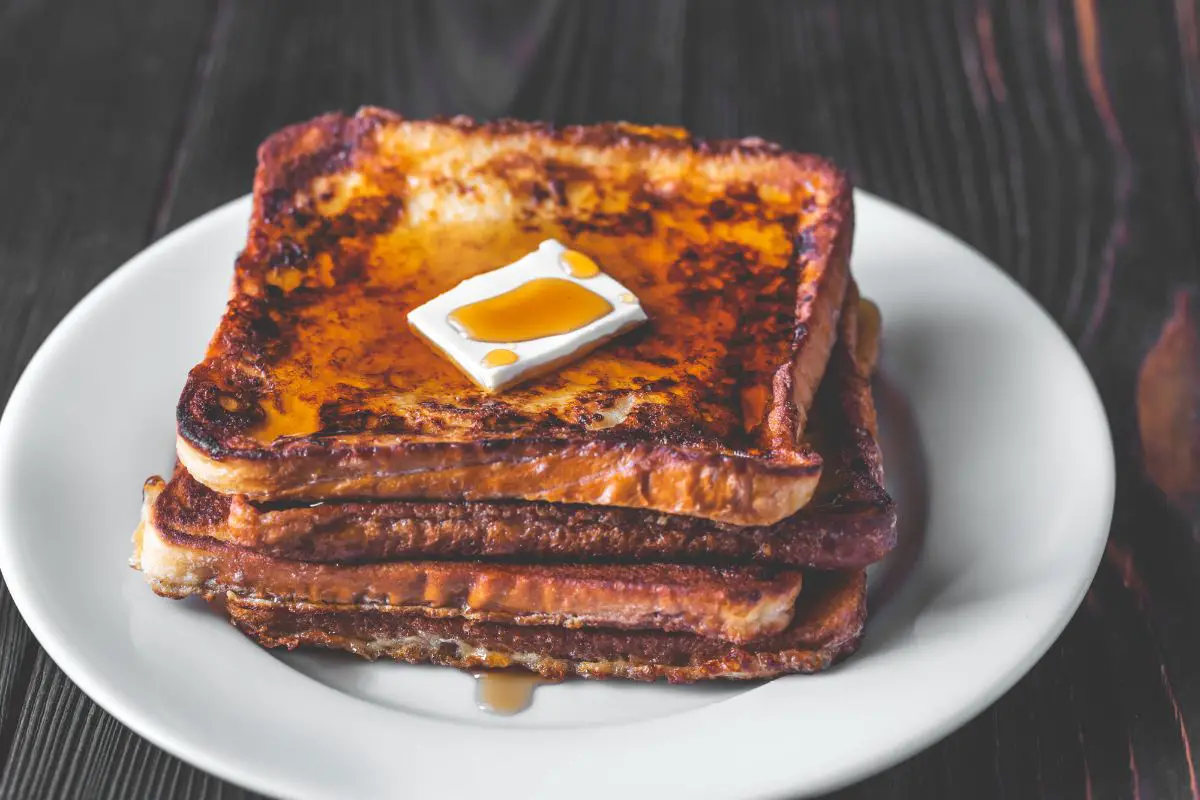
Most days, you won’t have time in the morning to cook a wonderful breakfast. In moments like these, you need cupboard food to make life easier. We suggest making your own bread out of millet flour.
Millet flour is naturally gluten-free. When you use it to make bread, the texture is very similar to classic white.
Millet bread is also naturally dairy-free, making it more accessible to everyone.
Bake your bread on the weekend, and your weekday toast will be as quick as everyone else’s.
Oat Muffins
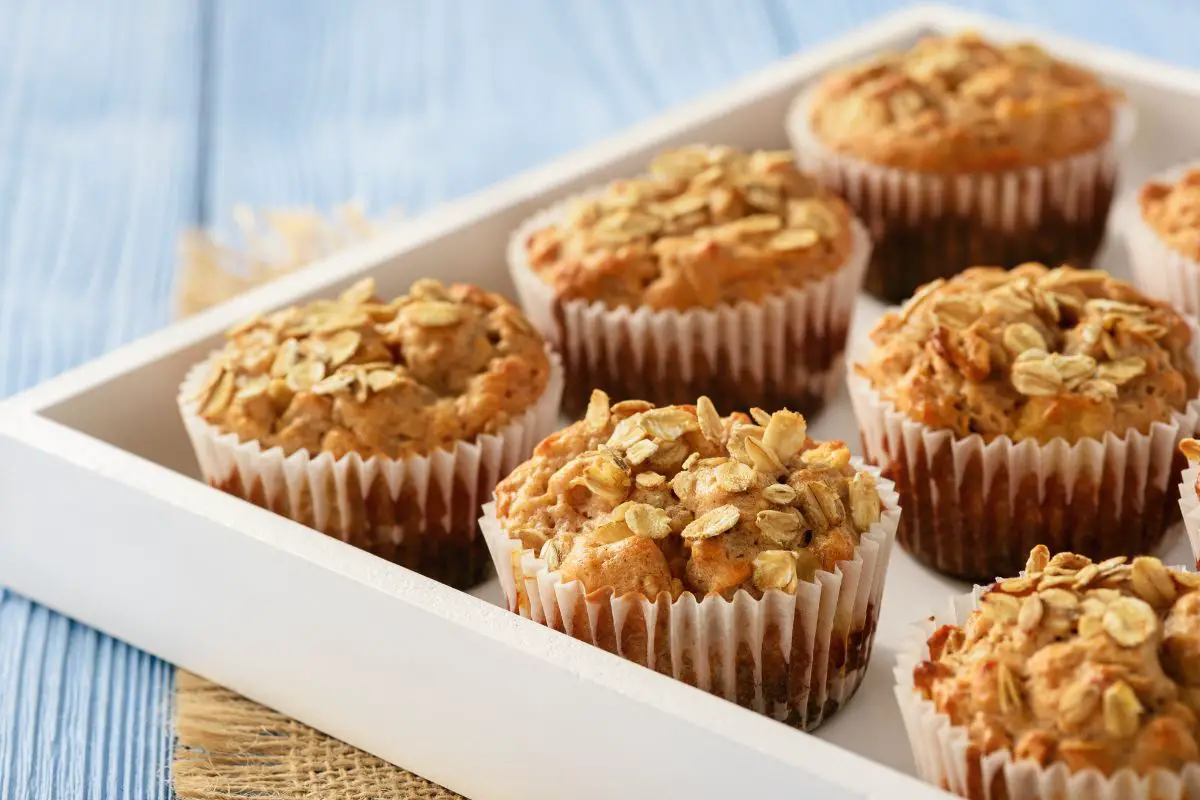
Muffins are normally filled with gluten, as their main ingredient is wheat flour.
However, if you swap wheat for oat flour, then your muffins will be healthier for your gluten-free friends and they will be just as delicious.
Some people suggest picking almond flour for your muffins, due to the naturally sweet and nutty taste.
However, when it comes to breakfast we think a hearty oat base is more appropriate. Oats are fantastic at giving you energy throughout the day due to their slow carbohydrate release.
However, if you’ve already bought almond flour for your waffles, you might as well use it in your muffins too!
Smoothies
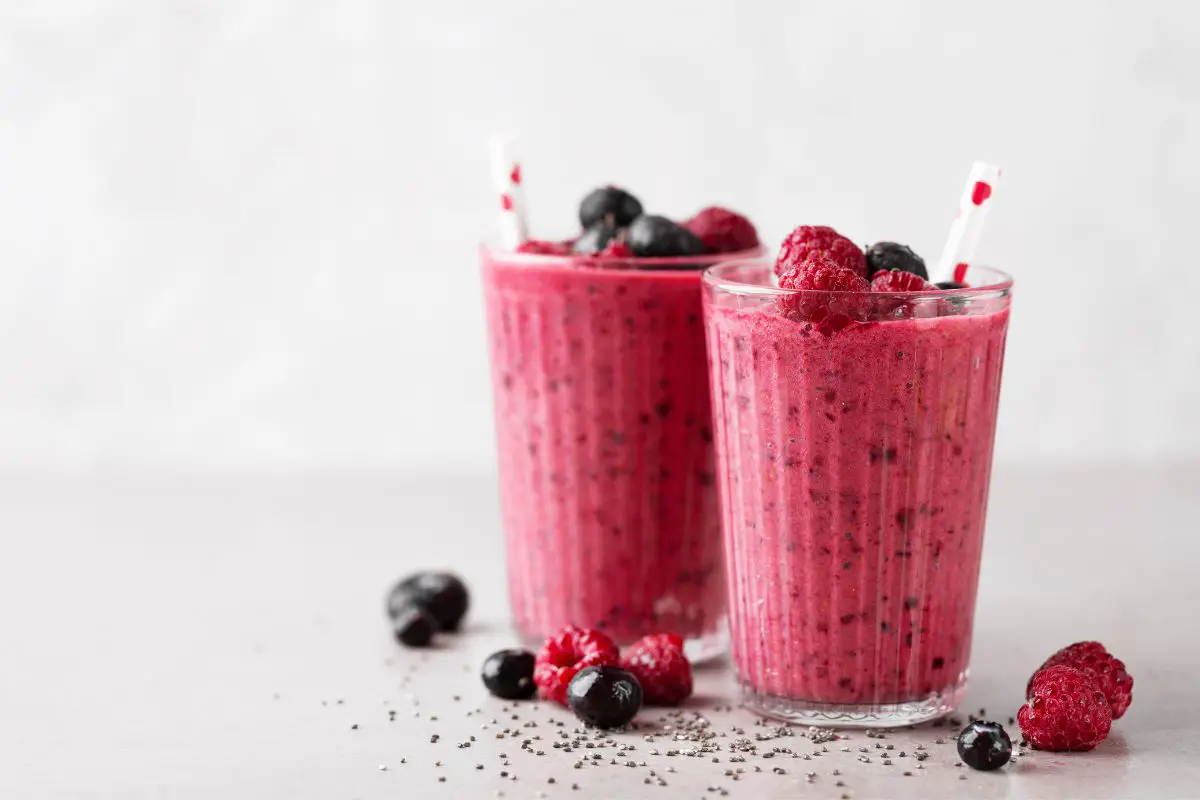
If you own a blender or a smoothie machine, then creating this tasty drink in the morning will be just as quick as using a toaster.
Simply throw some berries into the blender, with spinach, bananas, and milk. Then give the fruits a whirl.
This is a quick, simple, and fun breakfast and the perfect way to inject fruits into your diet.
Smoothies are also great as a paleo breakfast meal, as long as you swap cow’s milk for a vegan alternative.
Overnight Oats
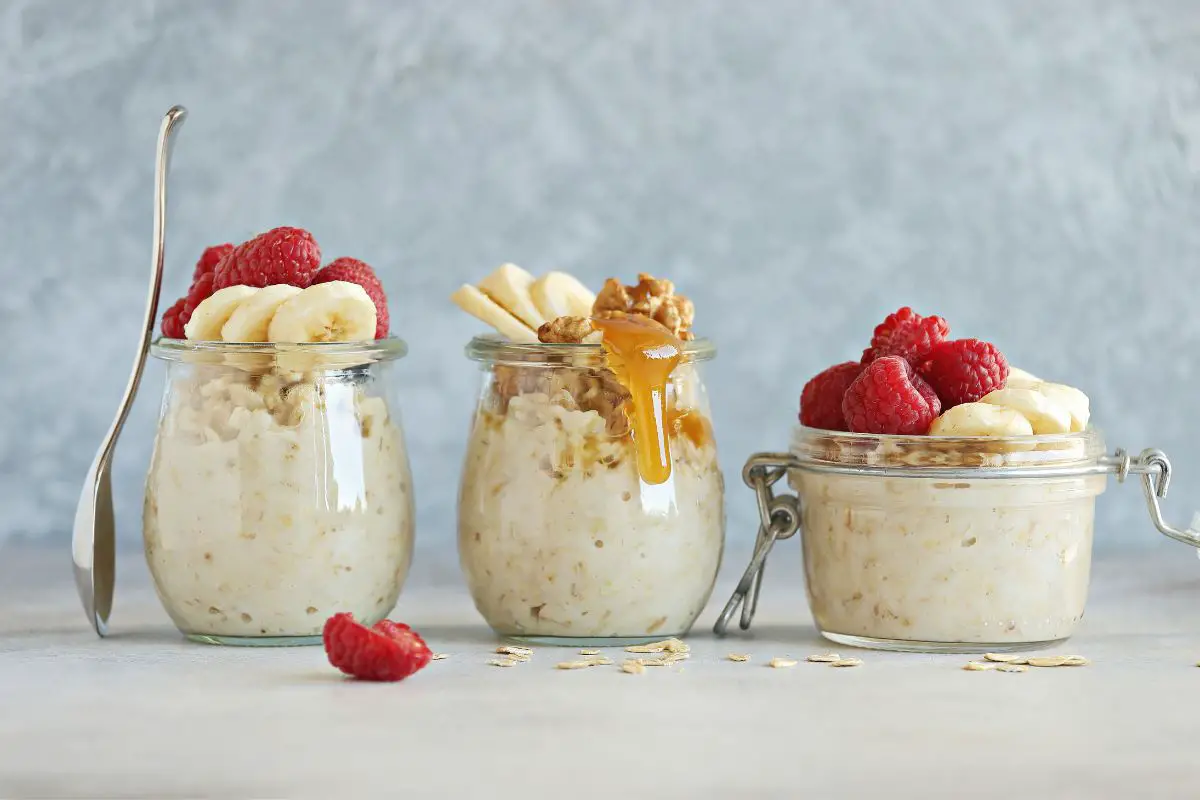
Overnight oats are a fun and healthy breakfast meal that takes less time to make than bread and can be stored for just as long.
You simply add milk, oats, and the flavors of your choice, into a glass cup or jar and let it sit in your refrigerator overnight.
During that time, the oats will absorb the milk or yogurt for a delicious breakfast meal.
It takes less than 5 minutes to prepare, and it’s so simple that even children can make it.
Because the carbohydrates are coming from the oats, you know you will be safe from gluten while still eating an empowering breakfast.
Gluten-Free Lunch Ideas
Lunchtime meals are either seen in two lights. The first is a smaller version of a main meal, and the second is an on-the-go snack that has enough energy to see you through until dinner time.
We will cater to both of these concepts, so everyone gets the chance to eat a stress-free and gluten-free lunchtime meal.
Lettuce Wraps
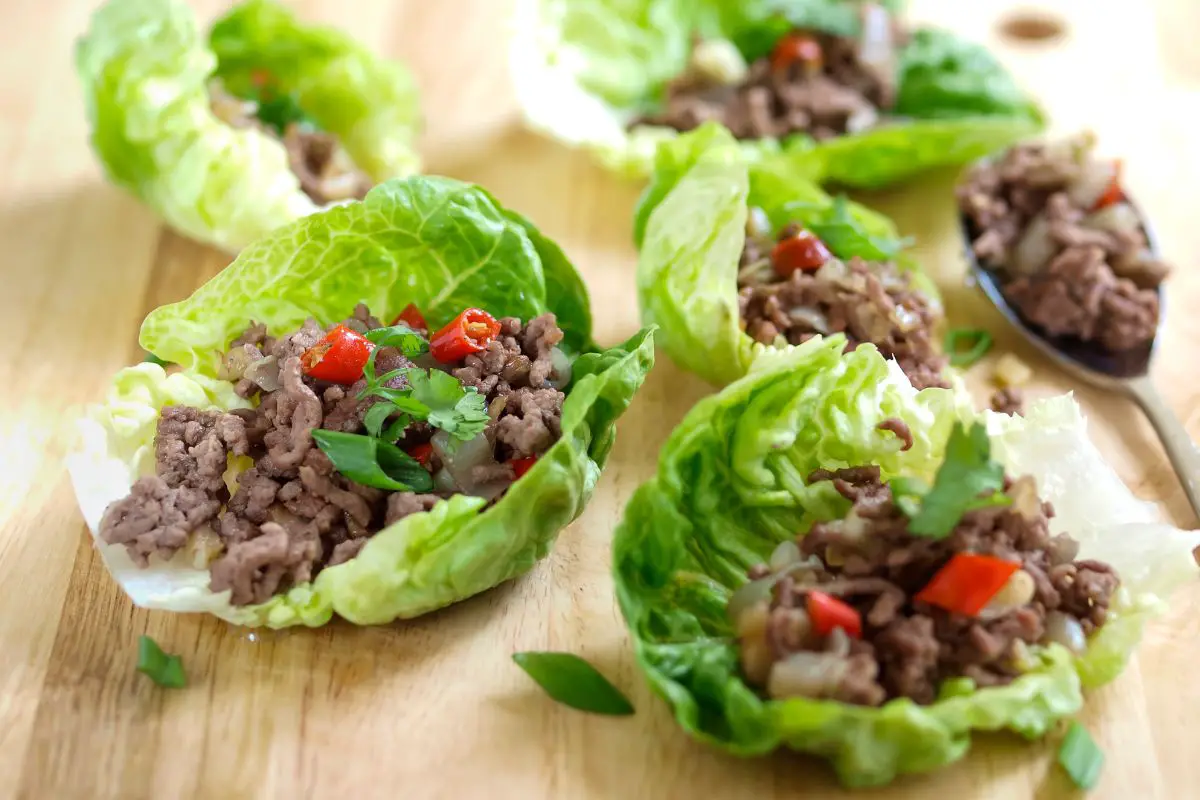
Lettuce wraps have become a popular paleo lunchtime meal, as it contains all of the flavor of a wrap but none of the bread. This makes it perfect for gluten-free diners as well.
The concept is simple – just add in all of the ingredients you would normally include in a wrap, but use long lettuce leaves as your container instead of an actual flatbread.
These can be eaten hot, but are best cold. If the ingredients are hot when they touch the lettuce, it will start to wilt making it harder to eat.
When the ingredients are cold, the lettuce wrap keeps its shape and still has that delightful crunch with every bite.
You can use last night’s leftovers as your filling, or use cold meats and condiments like a sandwich.
As you can expect, a meal like this is considered “low calorie”. If you have a hectic day ahead of you or need a lot of energy for your job, you may need multiple wraps to keep yourself well-fed.
Zucchini Noodles
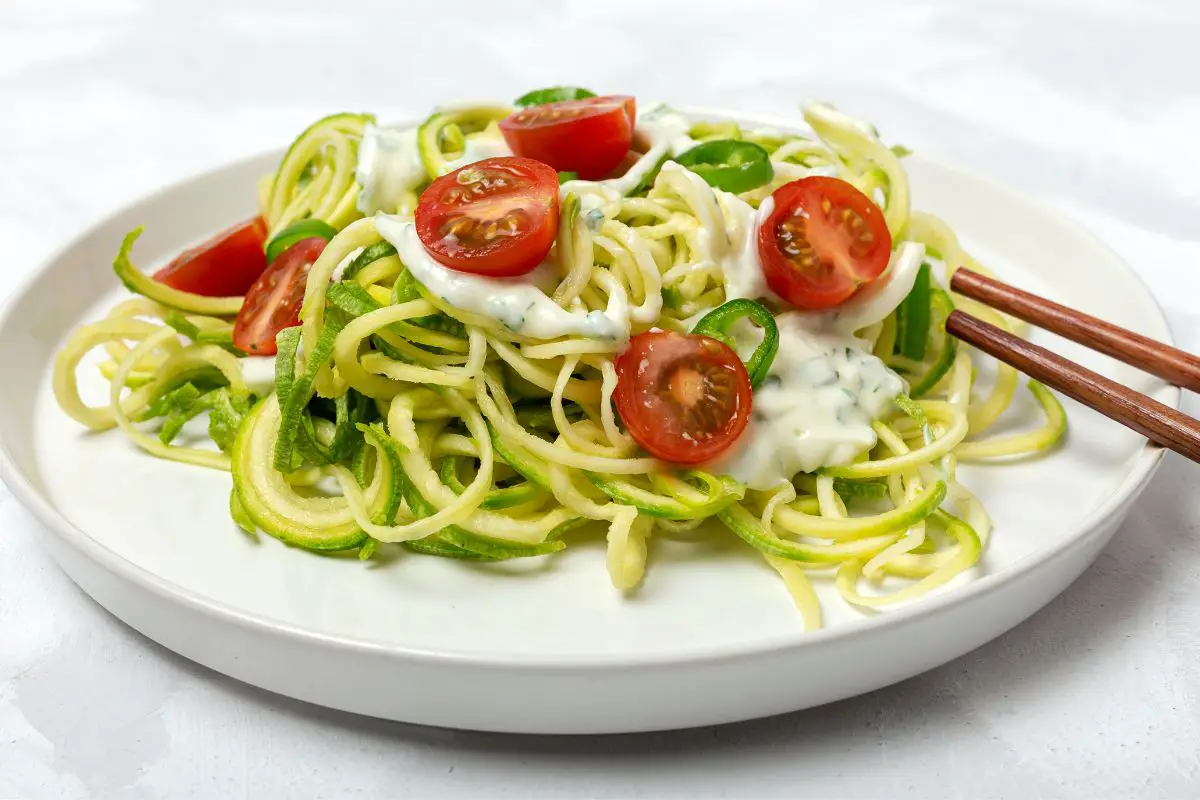
Zucchinis are a fantastic vegetable. They are strong enough to be turned into noodles but malleable enough to cook quickly. This is why they are a great lunchtime option.
You can eat zucchini noodles cold or boil them for 5 minutes for a hot meal.All you need is a pasta maker, which you can easily buy online for as low as $7.
The handheld versions are small and manual. You simply cut the top off the zucchini, put it on the little device, and twist.
The twisting movement causes the zucchini to be cut like a grater. However, instead of producing small shavings, the machine produces noodles.
With your noodles, you can add pesto and tomatoes with basil for a quick and delicious gluten-free lunch.
Rice Noodles
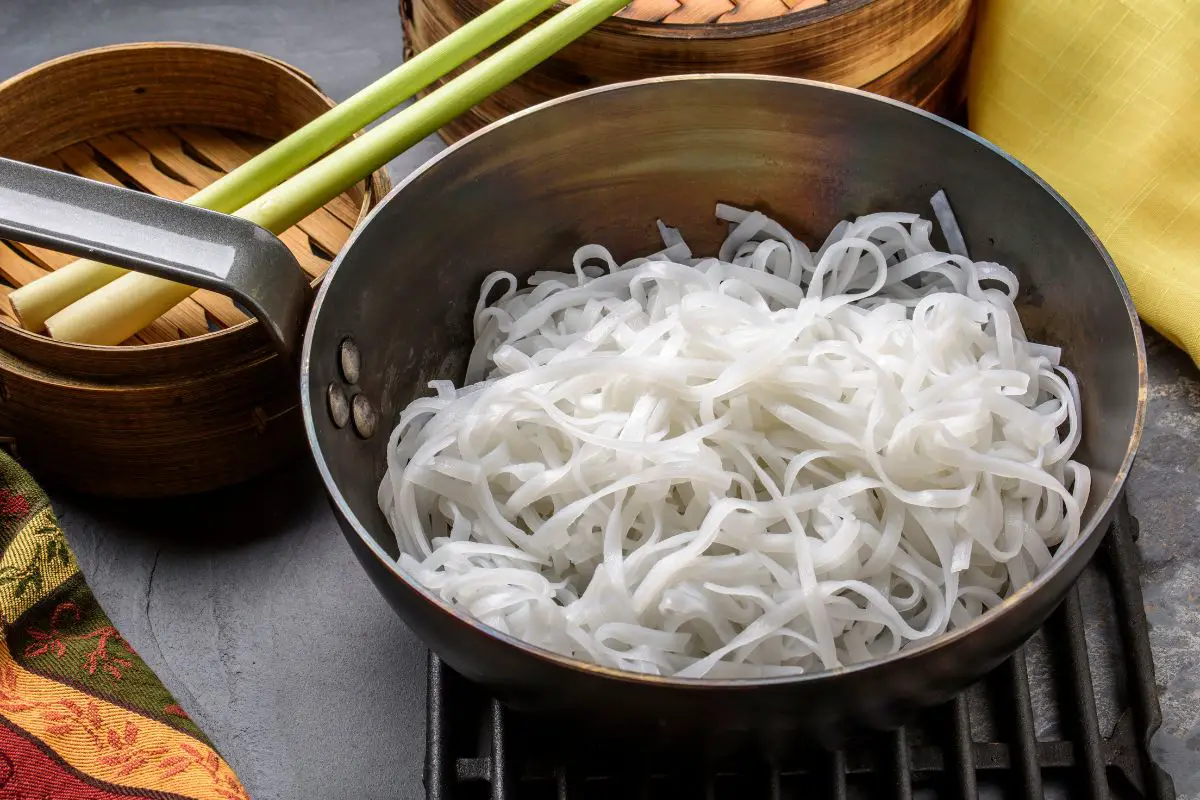
Unlike zucchini noodles, you cannot make rice noodles quickly and easily. Instead, you will need a skilled hand and professional equipment.
However, you can buy rice noodles in most top-brand grocery stores.
With these noodles, you can make healthy Lo Mein dishes in just 15 minutes.
Gluten-free eating doesn’t have to take ages to prepare or contain unusual ingredients.
In fact, rice noodles are a common sight in Asian kitchens, and as long as you’re in a diverse shop you should easily find the noodle alternative in stock.
Cheesy Garlic Bread
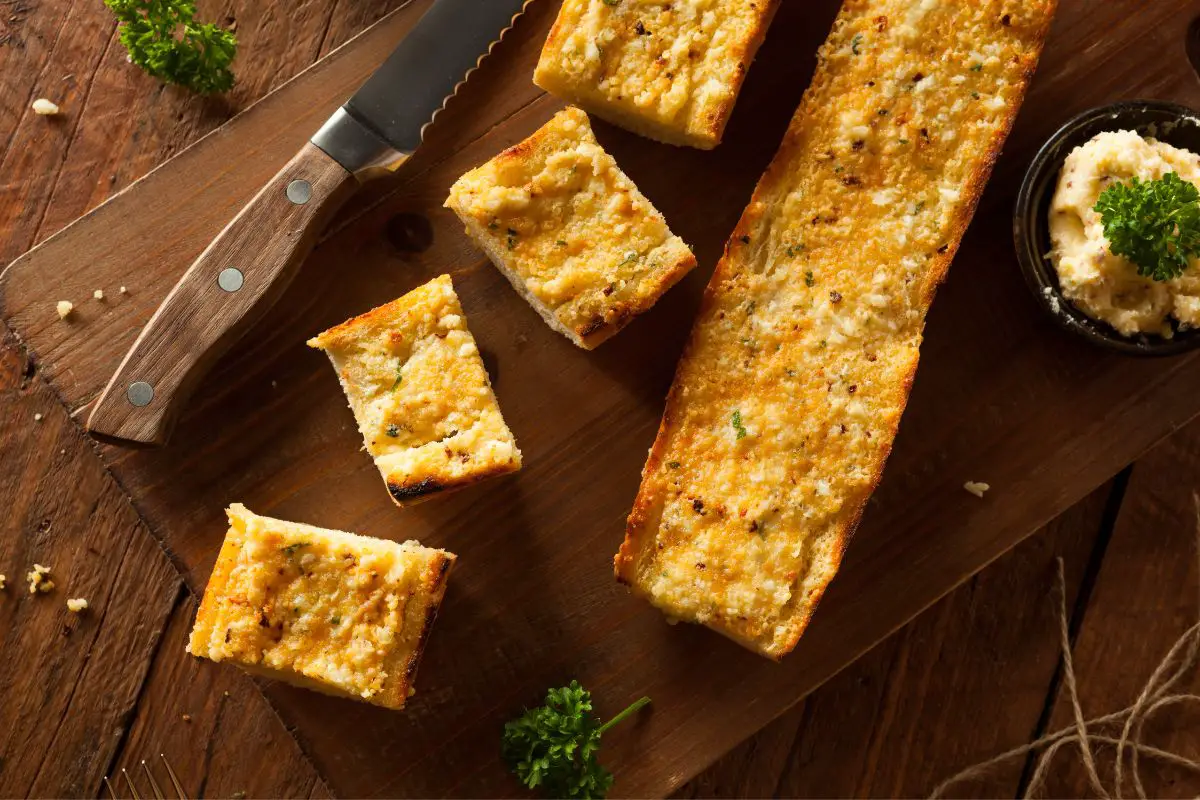
This recipe we are about to share isn’t just gluten-free, it also contains ingredients for super low-calorie bread.
As we said before, making your own bread can help you avoid gluten while still having the basic necessities. Click on the link above for the recipe, but remember you can eat this meal hot or cold.
If you work in an office with a microwave, you can even reheat the bread to reignite the melted cheese.
Fennel & Olive Crepes
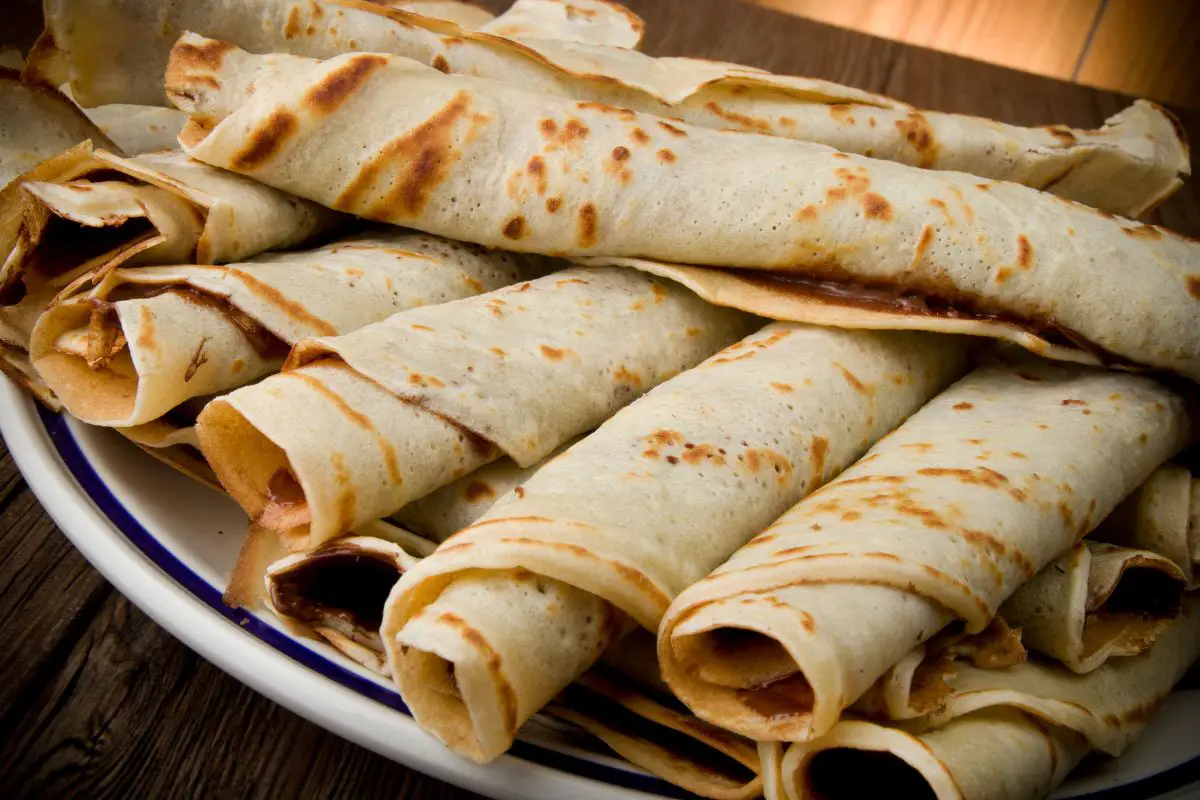
We are going into specifics now, but that’s only because the flavor combination is divine.
Create a crepe as we suggested before, then when both sides are cooked, keep the crepe in the pan.
Quickly sprinkle on chopped olives, fennel, and camembert cheese, and then fold the crepe in half to envelope the ingredients.
Take it off the pan, and hey presto a quick and delicious low-calorie lunch meal.
Lentil “Meatloaf”
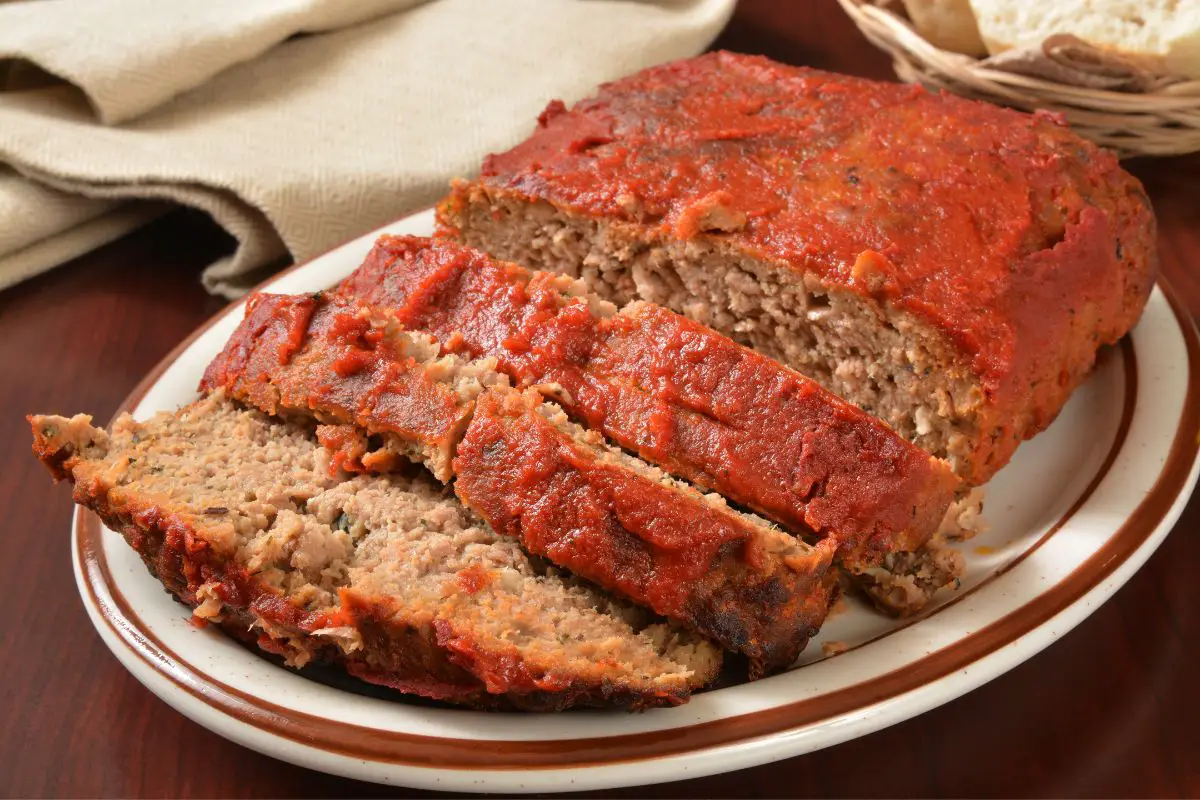
Being gluten-free doesn’t mean you’re automatically vegan. However, a lot of processed meats contain gluten as part of the binding structure.
Sausages are the biggest culprit for this, which means a sausage meatloaf is almost always untouchable for someone with celiac disease.
To make this meal more inclusive, follow our guide for the lentil alternative.
Although our recipe is designed for a main meal, you can easily chop off the loaf and use it as a sandwich filler or eat it alongside cold vegetables for a hearty lunch.
Muesli Bars
Most of the lunchtime suggestions we have given so far have not been great for people on the go.
Although a lettuce wrap is perfect for a quick 5-minute rest, we have yet to offer a real suggestion for people who truly have no time to sit.
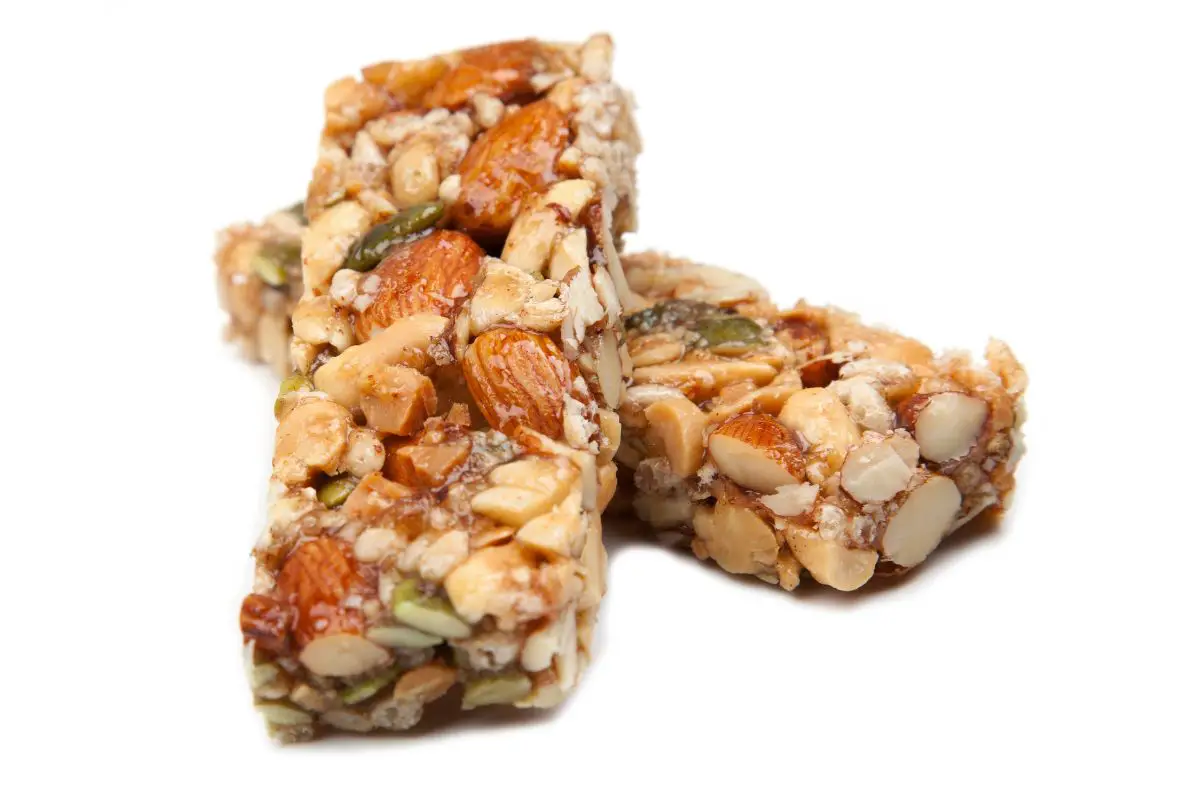
Now that changes. We suggest making your own muesli bar. Of course, you can buy these in almost any store, but most are not gluten-free.
We side-step that issue by suggesting rolled oats instead of flour.
The recipe itself takes around 30 minutes to create, but once it’s done you can have a lunchtime bar every day that week.
Flavored Chicken
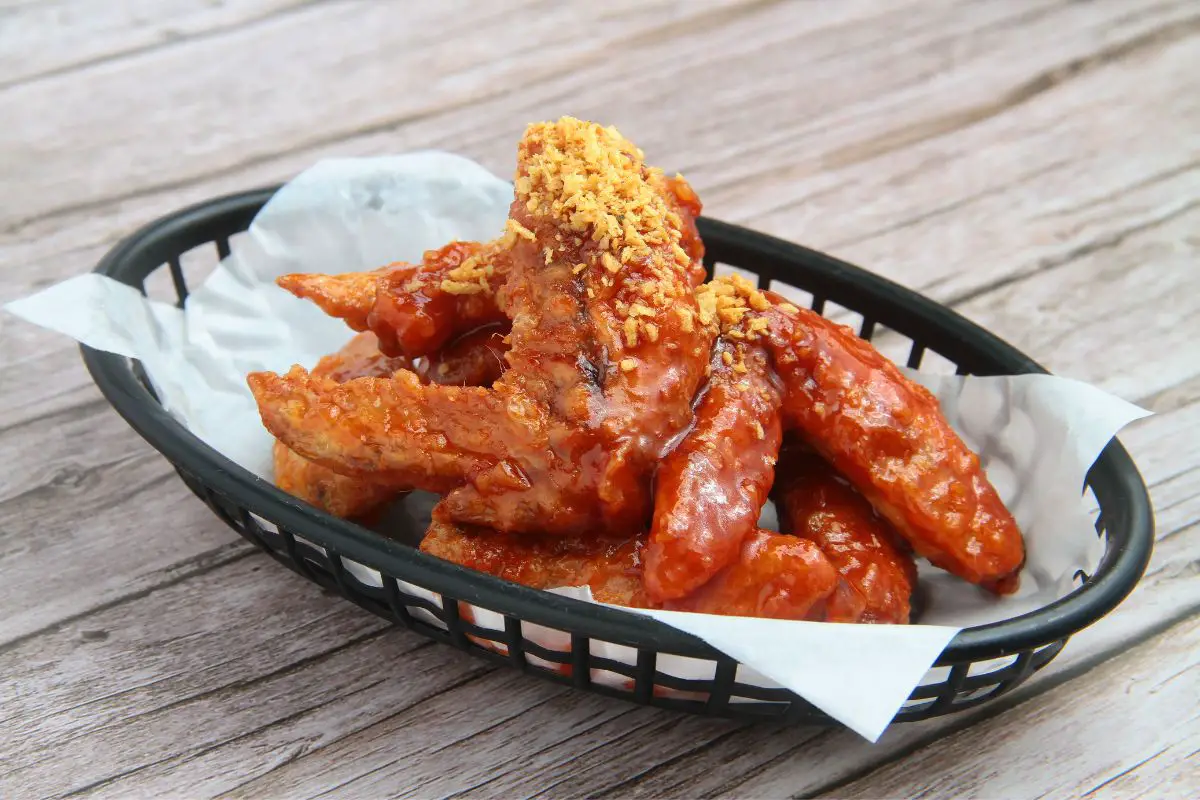
Chicken is the perfect meat for someone on a gluten-free diet. Unless you’ve bought the breaded kind, your chicken will be naturally gluten-free, making it the perfect no-worries protein.
There are a million ways to flavor this simple ingredient, as the baseline can easily be paired with almost any other ingredient.
For your lunch, you could cook your flavored chicken, along with vegetables, and have a healthy gluten-free meal ready for you to microwave in the office.
To get you started on what flavors to cook, look through our 15 best paleo chicken breast recipes.
Gluten-Free Dinner Ideas
There are a lot of naturally gluten-free ingredients that you use for your meals. This means you don’t need to search high and low for unusual ingredients or processed alternatives.
We are going to show you some ideas for these meals first, and then dive into some more unique creations for you to try.
Salads
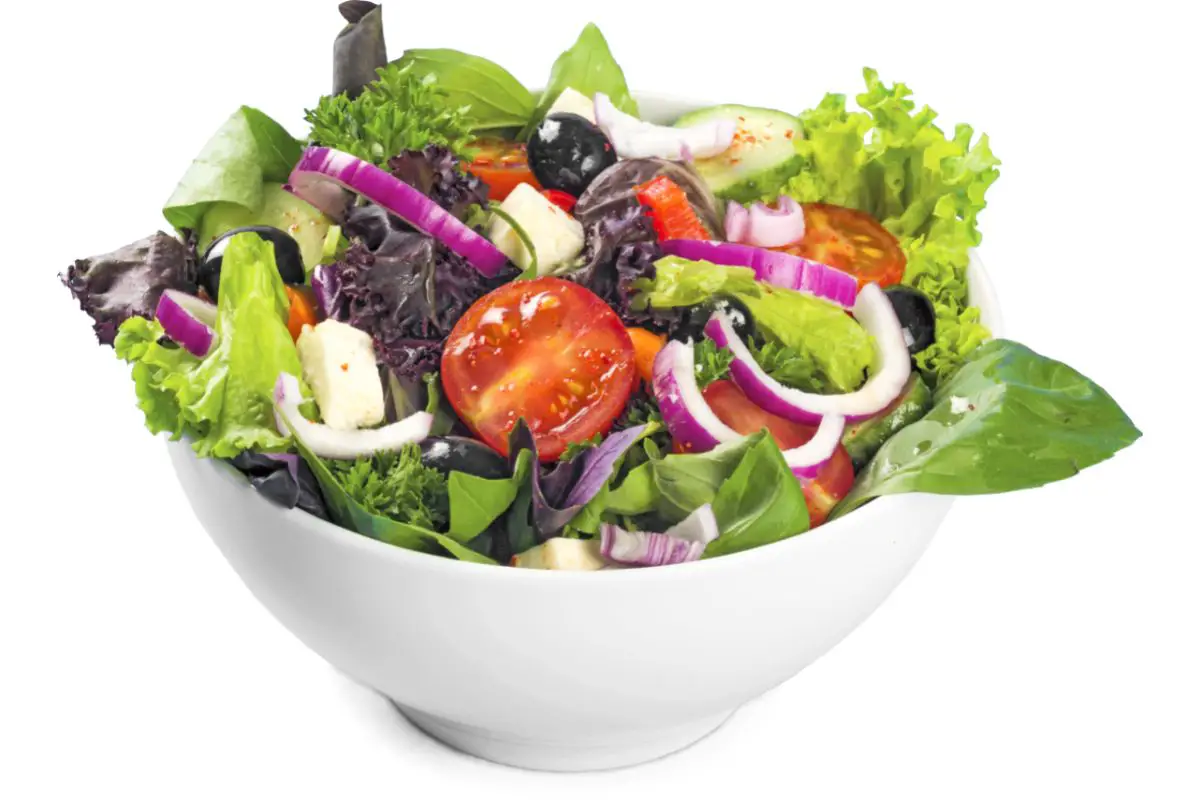
Salads might be a boring meal type to start off with, but it’s a great way to point out the naturally gluten-free options from the processed versions.
For example, quinoa is a very popular salad filler. It’s a type of seed that is often used like a grain to add carbohydrates to a meal, while still allowing it to remain light.
Quinoa is naturally gluten-free, as although it has grain-like properties, it is still technically a seed. This means it has all the benefits that wheat can offer without the harmful side effects.
Adding quinoa into your salad bowl can help increase the energy output of your meal while keeping it light and airy.
Stews
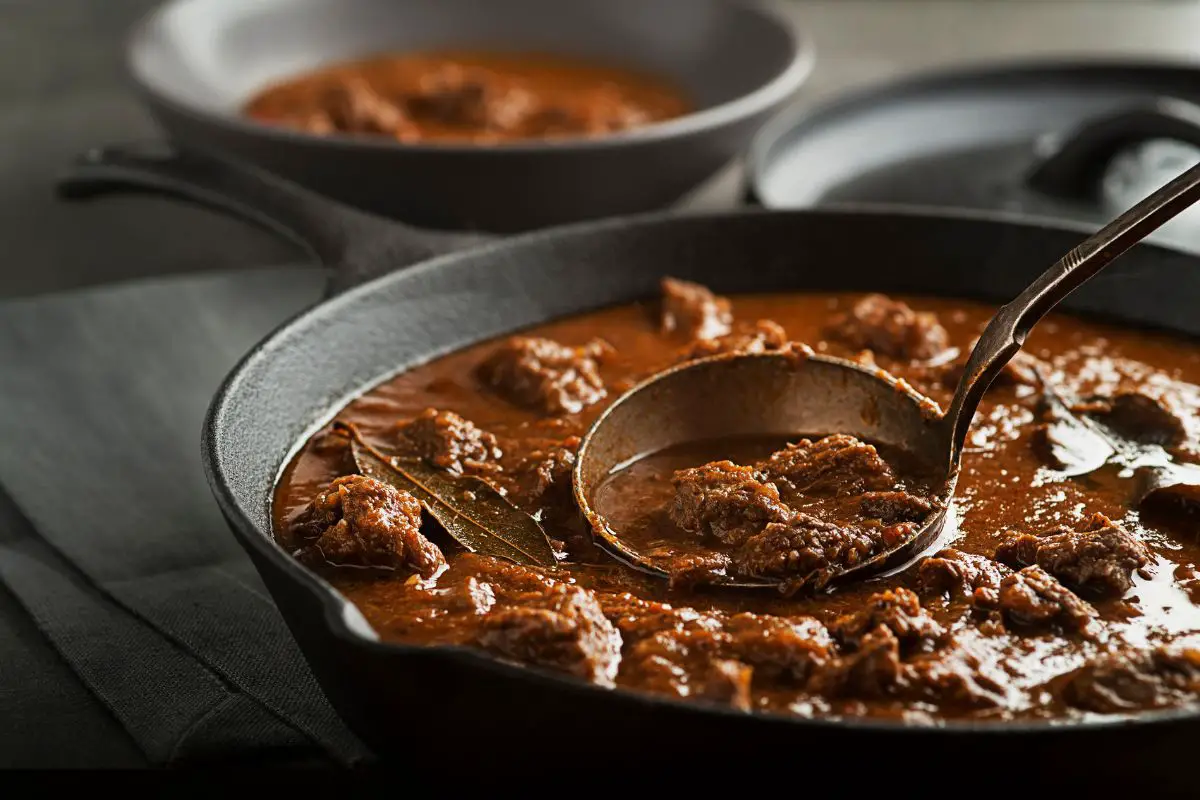
From a summer dinner to a winter one, stews are the perfect warming meal for a cold day. A typical ingredient for a stew is the humble lentil.
Just like quinoa, lentils are naturally gluten-free and are typically used as a stew thickener in most traditional recipes.
Where some stews may suggest adding flour to your meal to thicken up the liquid, you can forgo this less traditional advice and stick to the methods of old.
Lentil stew is extremely easy to make, as you simply add all of the ingredients into your pot and allow it to boil for around 40 minutes. For the full recipe click on the link above.
Many stews will list potatoes as their main carbohydrate. Potatoes are gluten-free, which means you don’t need to change the method or ingredient list for most classic stews.
If they do include flour to thicken the sauce, consider having a thin stew or swapping wheat flour for an alternative.
Soups
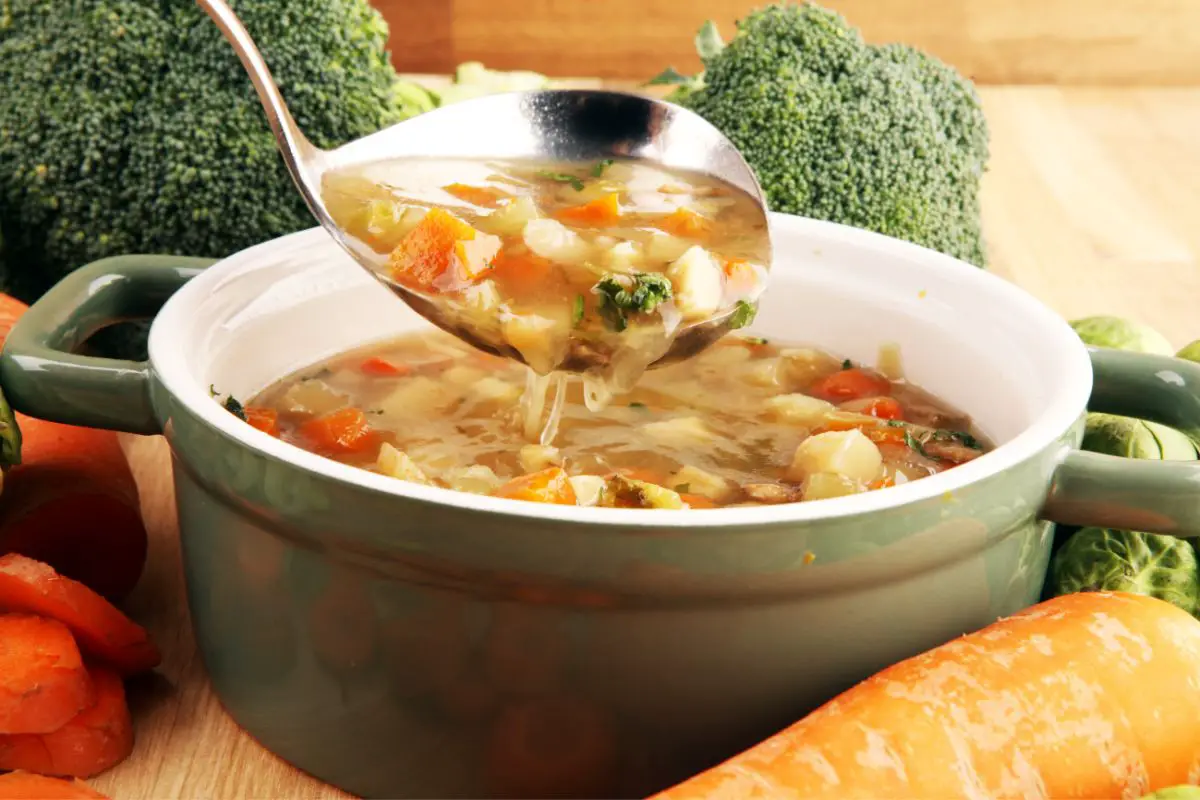
There are a myriad of options for you to choose from, when it comes to soup. Pho soup contains noodles, but if you use rice noodles, which is typical in Japan, you can still enjoy the meal without needing to change the ingredients.
The same goes for ramen. Because the flavor is based on other ingredients, swapping the noodle type will not affect the overall experience.
Most paleo soups are also gluten-free, as the point of a paleo diet is to only eat foods that can be hunted or gathered naturally.
This means no processed ingredients, and therefore no tins of food with gluten used as a thickener. In the link above we have gathered 10 tasty paleo soups recipes to help you widen your own recipe book.
Just like quinoa, chickpeas are a naturally gluten-free carbohydrate to add to your soups.
Even if the soup you are creating doesn’t use chickpeas in the ingredient list, you can still dip them in spices and roast them for a wonderful additional flavoring to sprinkle on top.
Chickpea soup is filling, tasty and healthy, while also being versatile.
Rice Meals
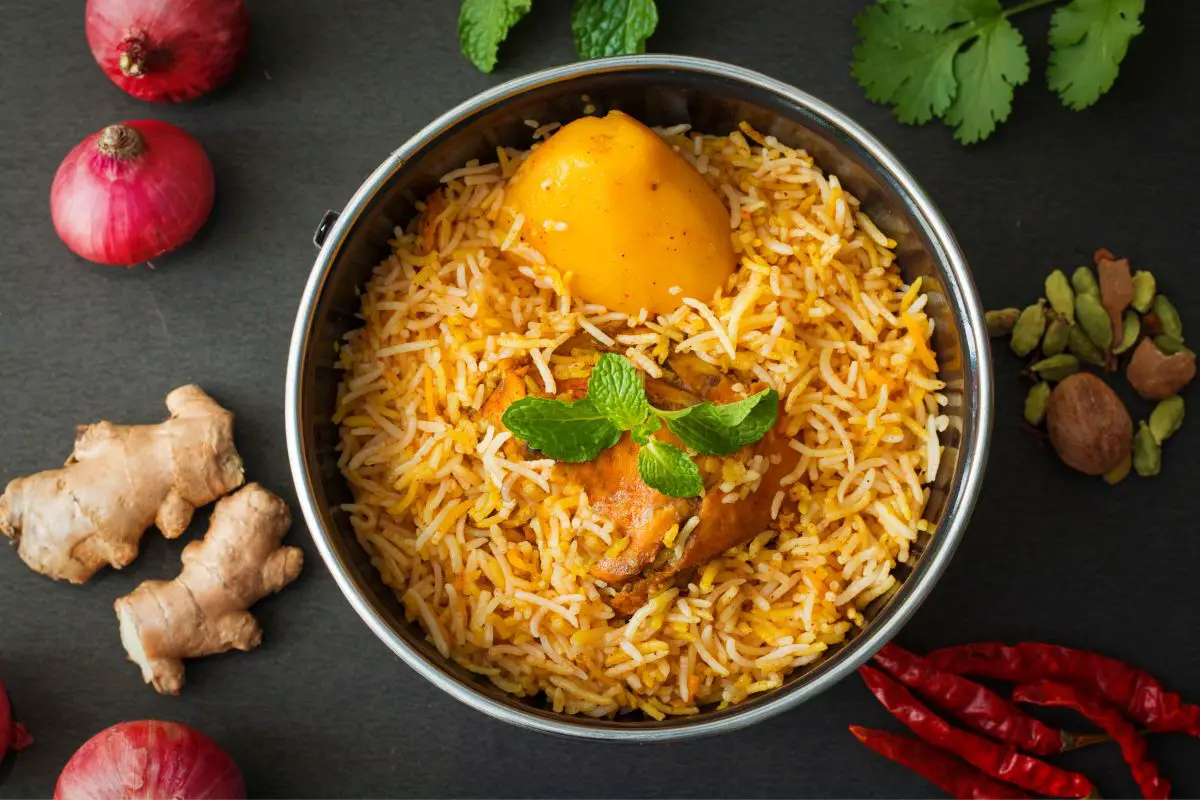
Rice is naturally gluten-free, however not every rice recipe can say the same thing.
If you buy a jar of tikka masala, for example, you will likely be purchasing a version that contains flour as a thickening agent.
We have found a gluten-free recipe for tikka masala so you can create your own version of this amazing meal.
In the recipe, the creator uses cornstarch instead of regular flour, which means the sauce still has a thickening agent, but it’s a naturally gluten-free one.
Once you know what you can swap in a recipe, you can use non-gluten-free ingredient lists and make it safe.
Most curries will be gluten-free if you don’t buy the jarred version.
Creating the meal yourself will help you bypass the “long life” ingredients. It’s these preservatives that prevent those with a gluten intolerance from eating jarred meals.
You can even create your own cassava bread to replace the traditional naan. Thai red curry is a particularly great option for people who are new to cooking.
We have a recipe on how to make a vegan version, but feel free to add beef or chicken if you prefer.
Fried rice is also a fantastic choice. Egg-fried rice is a common option to have as a main or as a side. It lasts for a long time and can be paired with almost any meal for easy preparation.
Meaty Mains
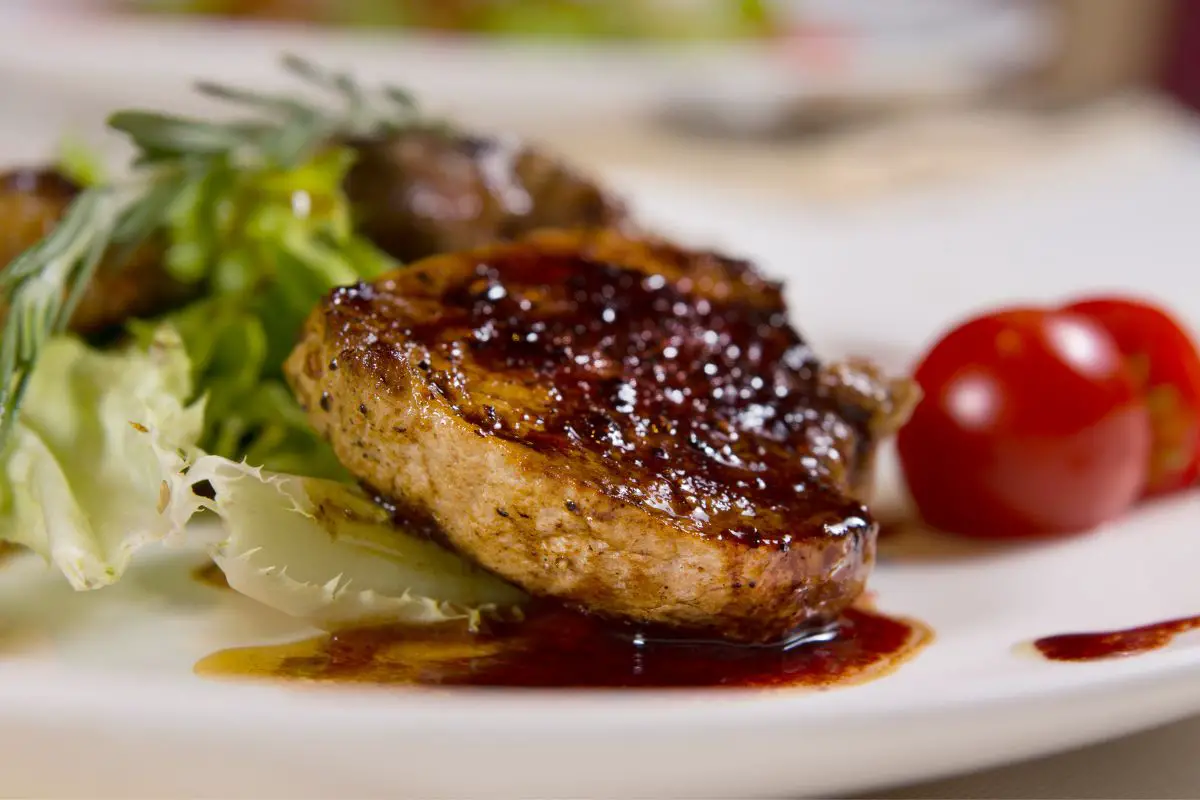
Of course, some recipes are wholly designed to center around the main protein.
That could be a steak surrounded by home-cooked fries and peas, or it could be shrimp alongside cauliflower and broccoli.
If the main part of your meal is based around a hefty protein like meat, you can easily allow the other aspects of the meal to take a step back.
This doesn’t mean you shouldn’t flavor them, but instead, you don’t need to fill the plate with unnecessary sides which take away from the main.
Although you can make gluten-free breadsticks, the meaty main doesn’t need any extra fuss. Allow it to speak for itself, with simple vegetable sides to make the meat stand out.
This is the simplest way to make a gluten-free meal.
Vietnamese Spring Rolls
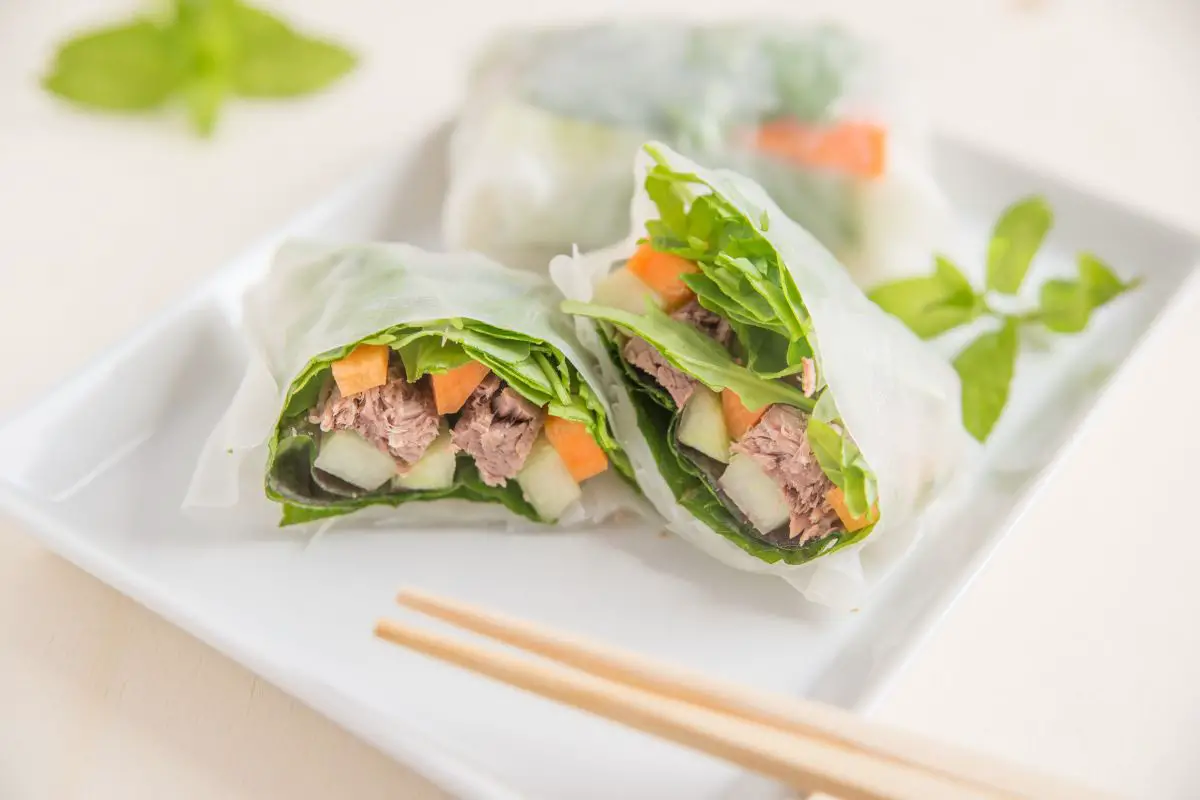
Although we are moving away from western traditional meals, that doesn’t mean we are picking up processed or forced alternative ingredients.
Vietnamese spring rolls are made with rice paper. Rice is naturally gluten-free, and so is its paper form.
The ingredients you normally find within the roll are cucumbers, pickled carrots, and cabbage – however, you can add whatever you prefer.
If we’ve inspired you to try this Asian delight, click on the link above for the recipe and more helpful information.
Pasta
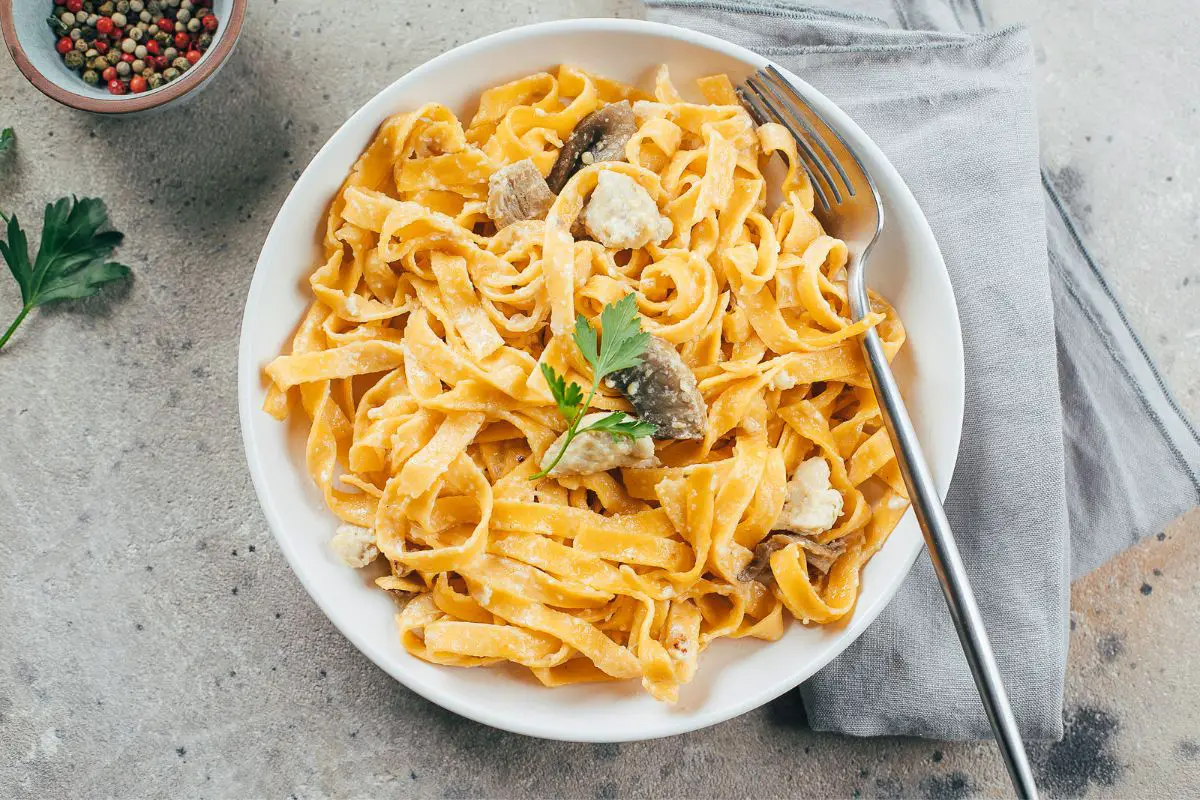
We are now crossing the threshold from naturally gluten-free to gluten-free alternatives. The fact that so many alternatives now exist is amazing, so don’t let the artificial creation put you off.
An easy alternative to wheat pasta is the gluten-free option. There are thousands out there from rice to whey, buckwheat to chickpea.
We suggest picking the generic gluten-free alternative in your local store and experimenting with the others once you become confident with the original.
To get started, you need pasta recipes that are filled with flavor. This way the change in taste will not be as dramatic.
For example, bolognese sauce is a wonderfully intense flavor that will easily disguise any difference in the pasta.
However, be warned. Although beef is naturally gluten-free, some butchering companies will add flour to ground beef to help it maintain its shape for longer. Always read the label to eliminate these brands.
If you enjoy the new flavors of gluten-free pasta, or think they taste the same, then you can move to more delicately-flavored meals.
For example, lemon and garlic pasta is a perfect summer meal. The light and refreshing taste will stop you from feeling sluggish in the warm weather.
Gluten-Free Dessert Ideas
As you may have noticed by now, the best gluten-free meals are ones that use normal ingredients.
Most vegetables, meats, and fruits don’t contain gluten, however, jarred or processed foods are not as safe.
With this in mind, the easiest dessert you can eat is fruit – but where is the fun in that?
You can easily make fruit exciting by thinking whimsically. Make a watermelon pizza, and allow your mouth to enjoy the sweet pleasures of multiple tropical fruits.
If you’re in the mood for something with more substance, we have some ideas for you too.
Cakes
Most cakes are made using wheat flour. It’s inevitable. And the cakes that aren’t made in this traditional manner, are often stodgy and heavy.
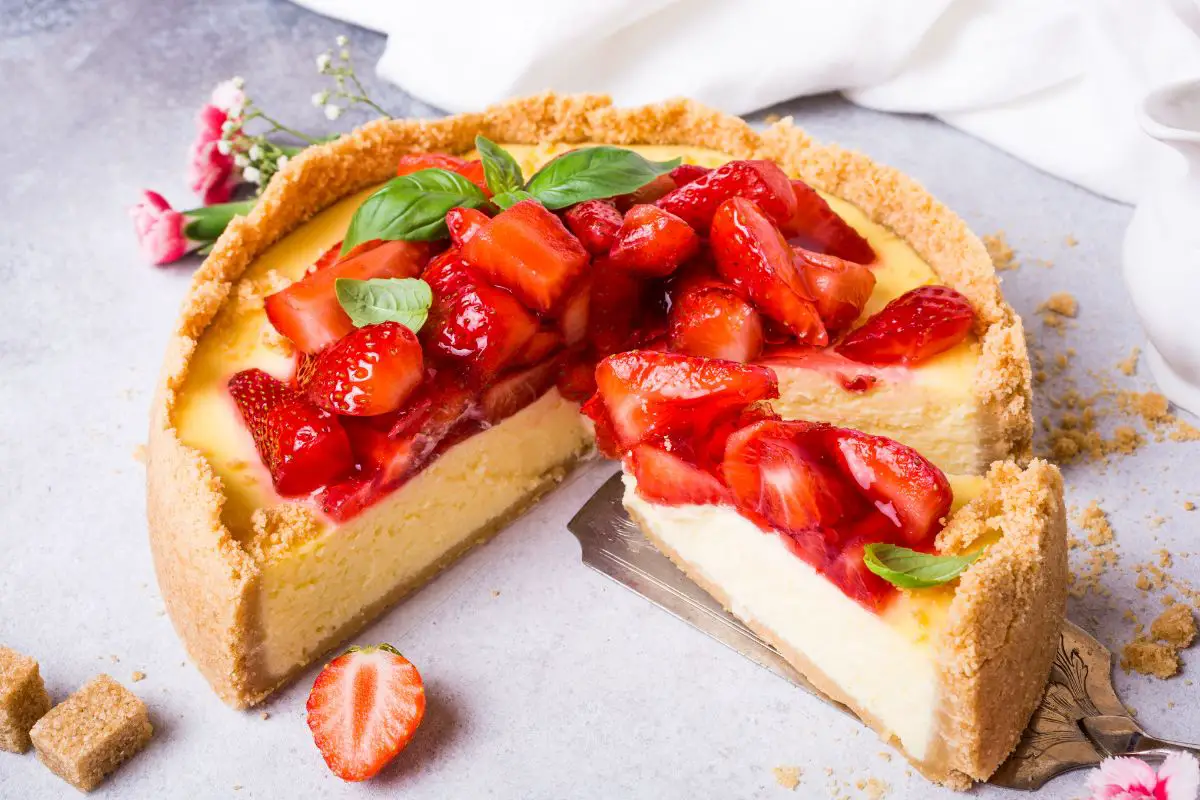
Luckily for us, this is no longer true. Take our gluten-free and dairy-free cheesecake for example.
Using graham crackers, we can create a delicious and crunchy gluten-free base, which can hold up our cheese-caking filling.
This filling is mostly made of dairy-free alternative creams. If you don’t mind eating dairy, you can use cow’s cream cheese instead and still have the same effect.
Because this recipe doesn’t rely on flour at all, you won’t have to switch a light flour for a stodgy one. In the end, you’ll be eating a light and fluffy cheesecake with a moreish cracker base.
Your cake options aren’t limited to this delight either. Protein cakes are wonderful home bakes that are healthy and help you repair your muscles after a workout.
The recipe we have created is gluten-free, so you can share this treat with all your gym buddies and your gluten-free pals. If you want more ideas for healthy cakes, click here.
Pudding
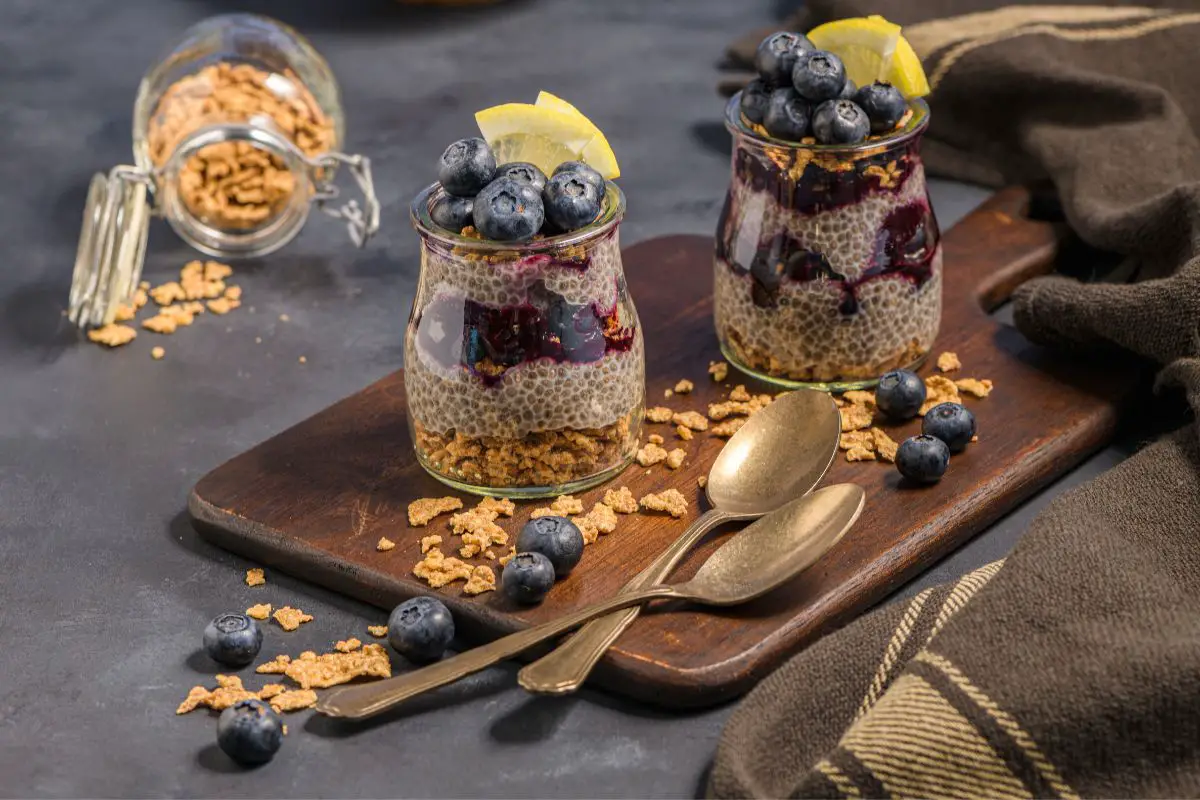
Pudding is even easier than cake, as cocoa powder is also naturally gluten-free. In our list of paleo desserts, we have a delicious pudding recipe that only takes 5 minutes to create.
The rich and indulgent chocolate and cherry desserts are almost too easy.
A popular pudding for those eating a gluten-free diet is a chia pudding.
Chia seeds are the ingredient that creates the classic bouncy texture, and because they are seeds you don’t have to worry about swapping out a grain.
It shouldn’t take 10 minutes to create, so as long as you keep the ingredients in your cupboard, you can make the pudding whenever you fancy it. The chia pudding could become your next iconic meal!
Brownies
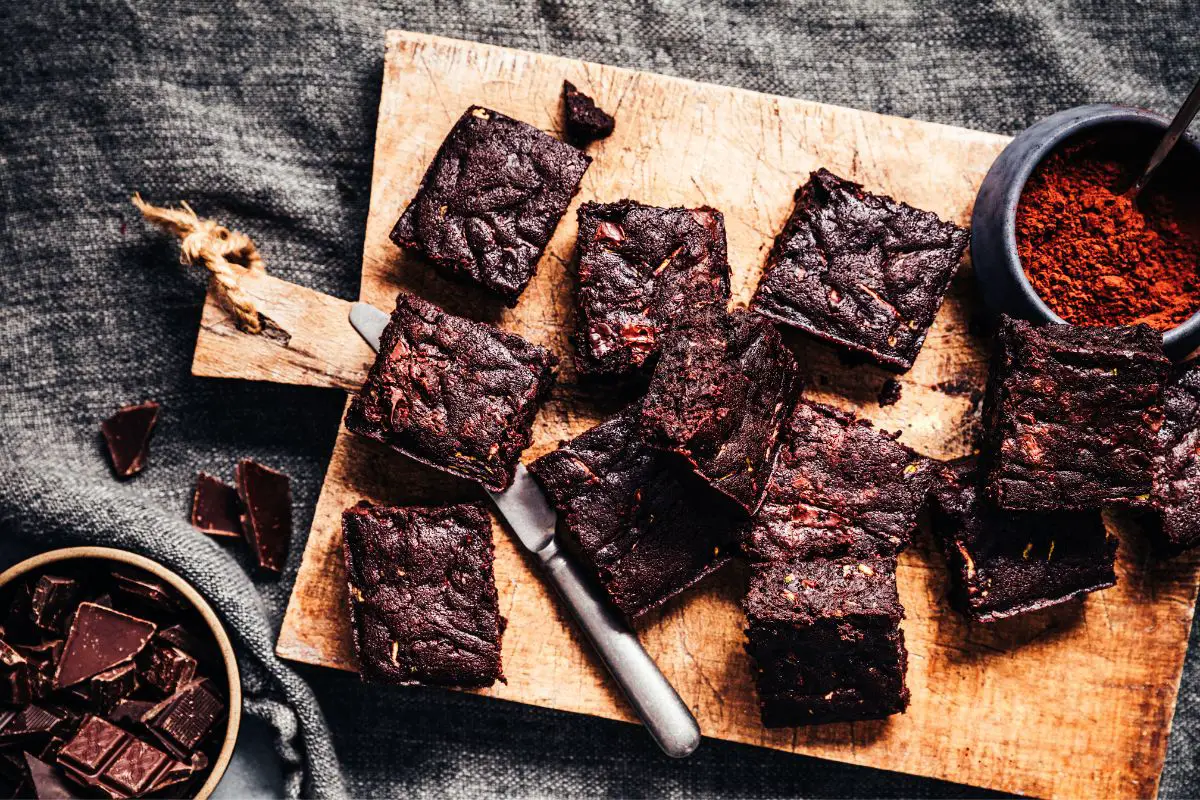
Of course, not every recipe we offer will be automatically gluten-free. Take our vegan brownie as an example.
To make a brownie you need flour, however as we’ve said before the flour doesn’t need to be wheat. Keep the flavors in your mind as you pick the right flour, as the combination will affect the overall taste.
For the brownie, we suggest almond flour. The nutty and sweet flavors will work perfectly with the main chocolate ingredients.
Of course, if you prefer a vanilla flavor instead of a chocolate one, you can always create a blondie instead of a brownie.
The method will be the same, which means using almond flour will still work very well. The only difference is the level of cocoa and vanilla.
Smoothies
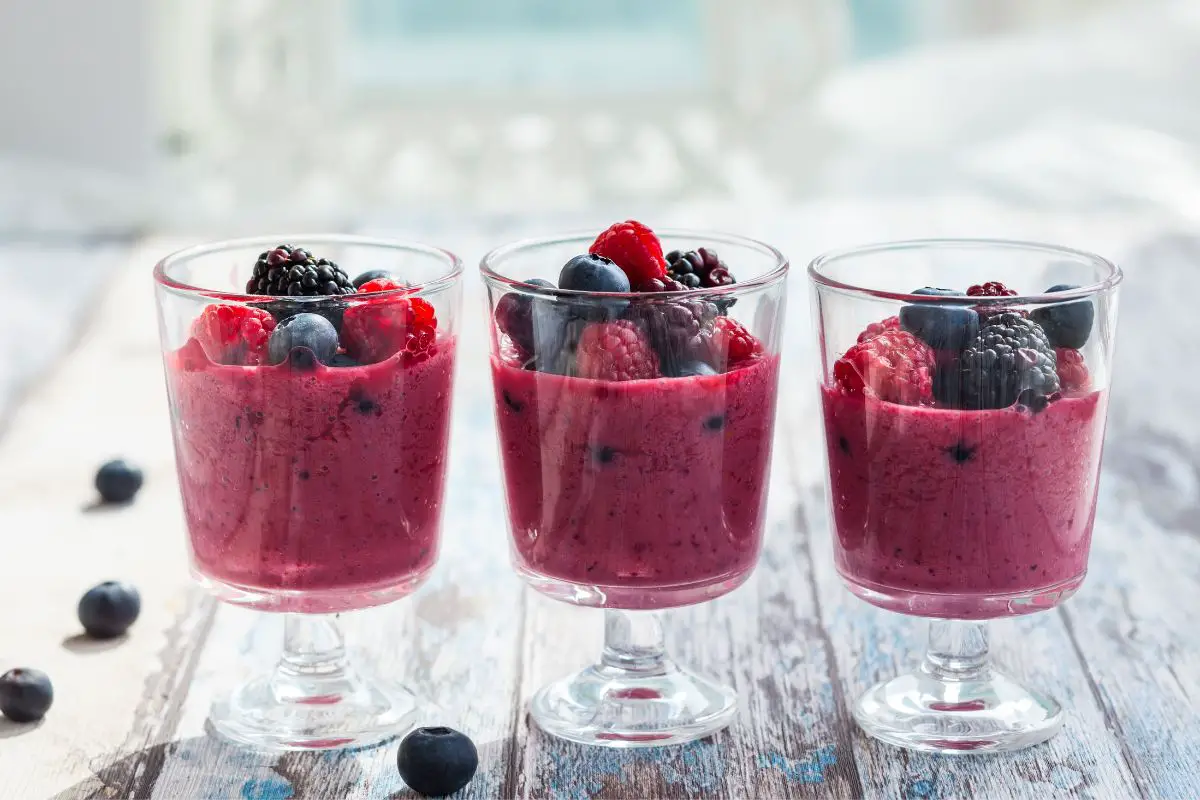
We have mentioned smoothies already, but a berry beverage has a very different atmosphere from a chocolate alternative. A chocolate smoothie cannot be considered a breakfast meal but is most certainly a treat.
Our chocolate oatmeal protein smoothie recipe is both a treat and a protein shake. Just like the protein cakes, this is the perfect after-workout treat to help you repair your muscles.
But this time, the main ingredients are oatmeal and chocolate. The oatmeal is what keeps this smoothie gluten-free while allowing it to act as a boost for your muscles.
Cookies
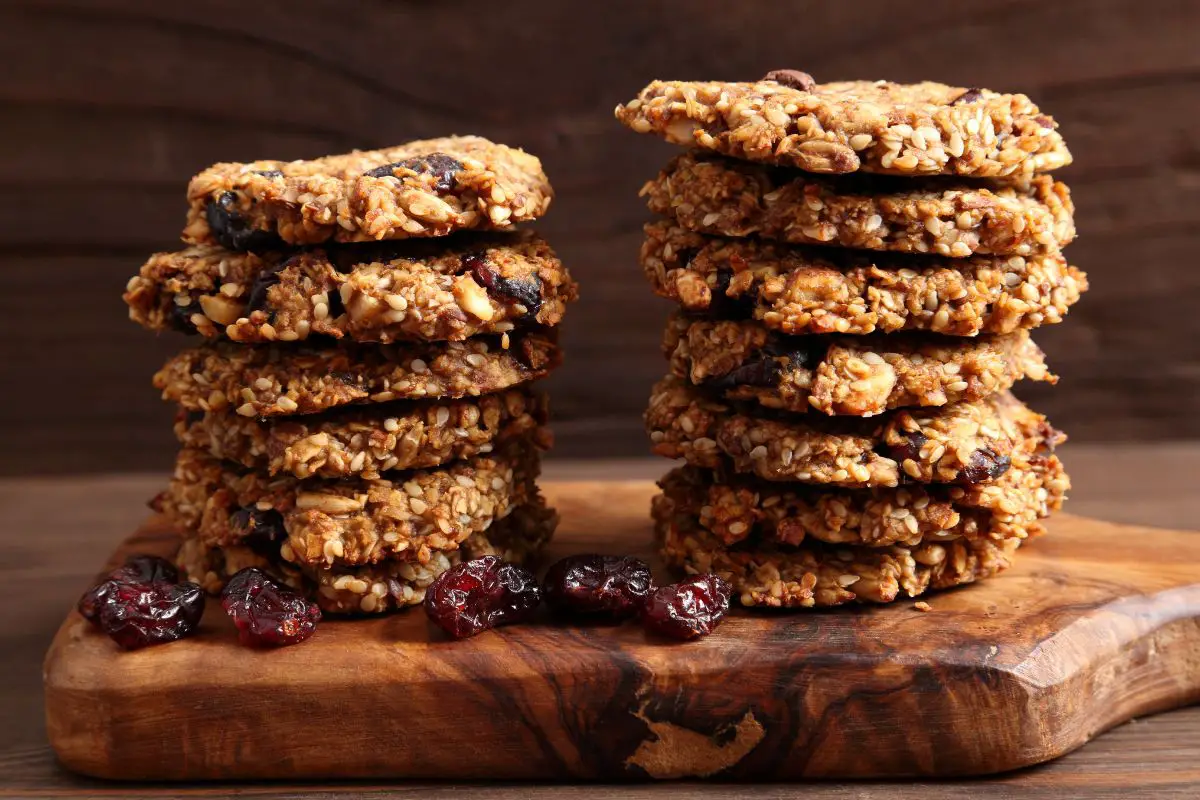
As with most desserts, cookies are normally made with wheat flour. However, there is a home favorite that is iconically made with oats – oatmeal cookies.
Using oats instead of wheat flour means the moreish snack is healthier in general but also safe for those with gluten intolerances.
Use the link above to find the recipe, but be experimental! You can add in whatever flavors you desire for a cookie jar’s worth of treats.
If you don’t like the taste of oats, this doesn’t mean you can never taste a cookie again. Instead, you should substitute wheat flour for another type.
In our peanut butter cookie recipe, we use almond flour. The sweet and nutty flavor of this flour is perfect for a peanut-flavored dessert.
Of course, you don’t need to choose a unique flour type at all. You can always pick the standard gluten-free option as we have suggested in our ginger cookie recipe.
Although almond flour would blend perfectly with ginger, many people prefer their snaps to have a defined ginger flavor.
It’s moments like these when the standard gluten-free flavor is often the best alternative.
The classic chocolate chip cookie follows the same issues as the ginger cookie, as most people want to focus on the chocolate flavors.
This means almond flour may not be preferred. Go with gluten-free plain flour and once you’re comfortable with this change, try experimenting with other flour flavors.
Summary
Gluten-free meals are easier to create than ever before. As long as you stir clear from pre-made meals, you should be able to create a unique dish every day and keep within your gluten-free needs.
Our main suggestion is to spiralize roots or hard vegetables such as carrots or zucchini. This can allow you to have the structure of spaghetti without needing to buy wheat pasta.
Follow this method to add naturally gluten-free ingredients to your pantry.
However, sometimes the flavors of naturally gluten-free ingredients don’t marry up well with the dish you are creating. In those moments you should use gluten-free alternatives.
For example, instead of buying naturally gluten-free almond flour, opt for gluten-free plain flour.
This will have the same flavors as wheat flour, however, it won’t be harmful.
Play around with all of these recipes and ideas. Hopefully, you no longer feel limited by your dietary restrictions. There are thousands of delicious dishes for you to try! So get started!
